
We're Here to Assist You
Bed Bugs: A Recent Job & What Homeowners Should Watch For
Category: Holiday
Published: February 2026
By: Termigone Exterminators
What We Walked Into
February in London usually means cold nights and people planning trips for Valentine’s. A few days ago, I got a call from a young couple in East London who had just come back from a weekend away.
They sounded worried—but not alarmed.
“We found some little reddish spots on the bed sheets,” they said. At first, they thought it was something minor. But the spots kept appearing, and that’s when they decided to get it checked.
When I arrived, they had already washed bedding twice and tried a few home remedies. But as is often the case with bed bugs, the problem was still there—just hidden.

The Problem
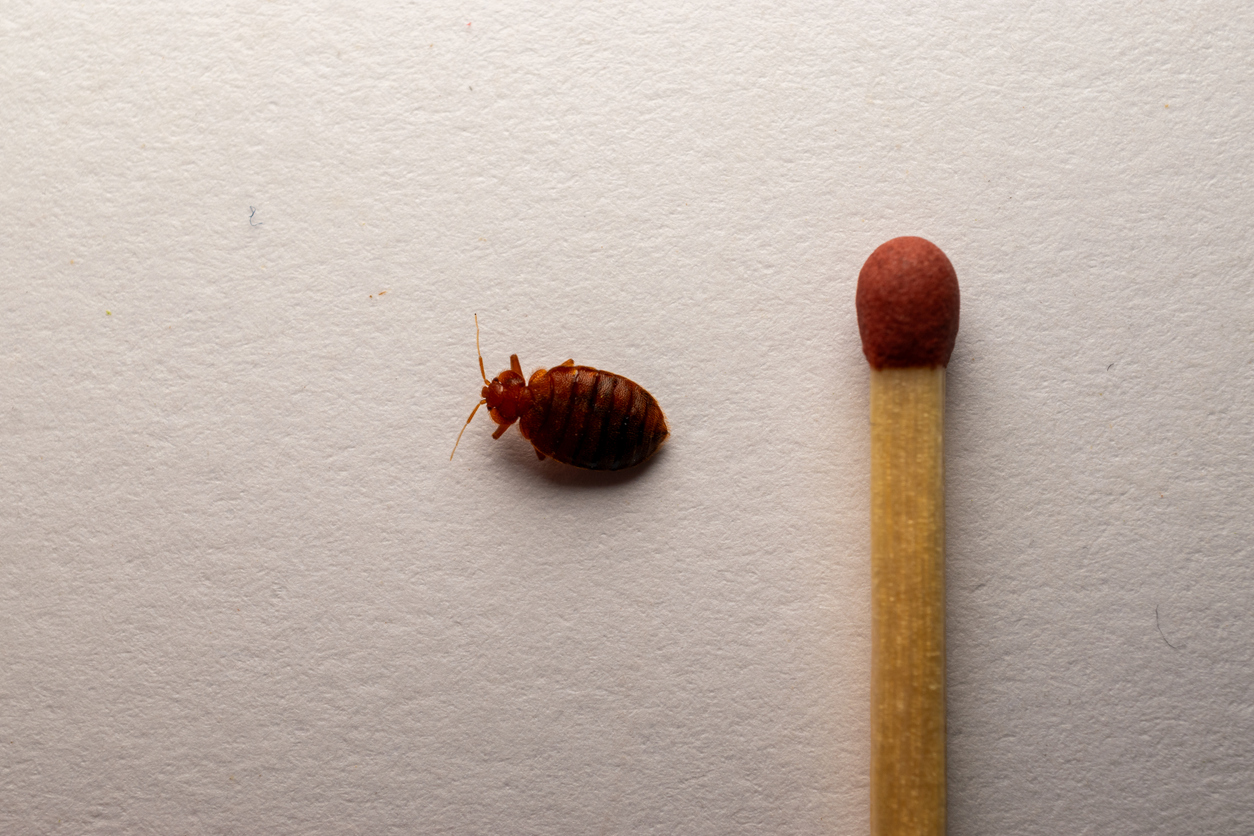
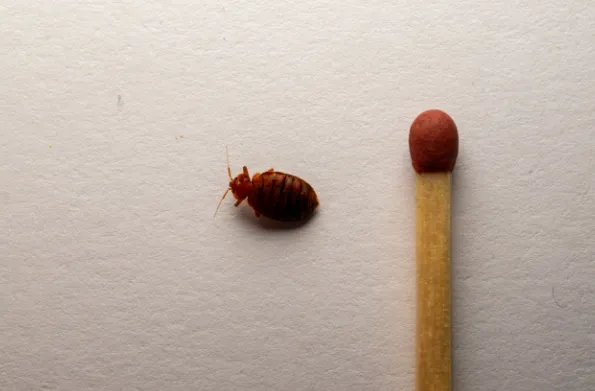
Bed bugs are small, but they’re persistent. They don’t care how clean your home is—they just need a place to hide and a host to feed on.
Here’s what I found during inspection:
Faint bite marks that appeared overnight
Tiny white eggs behind the headboard
Dark spotting along mattress seams
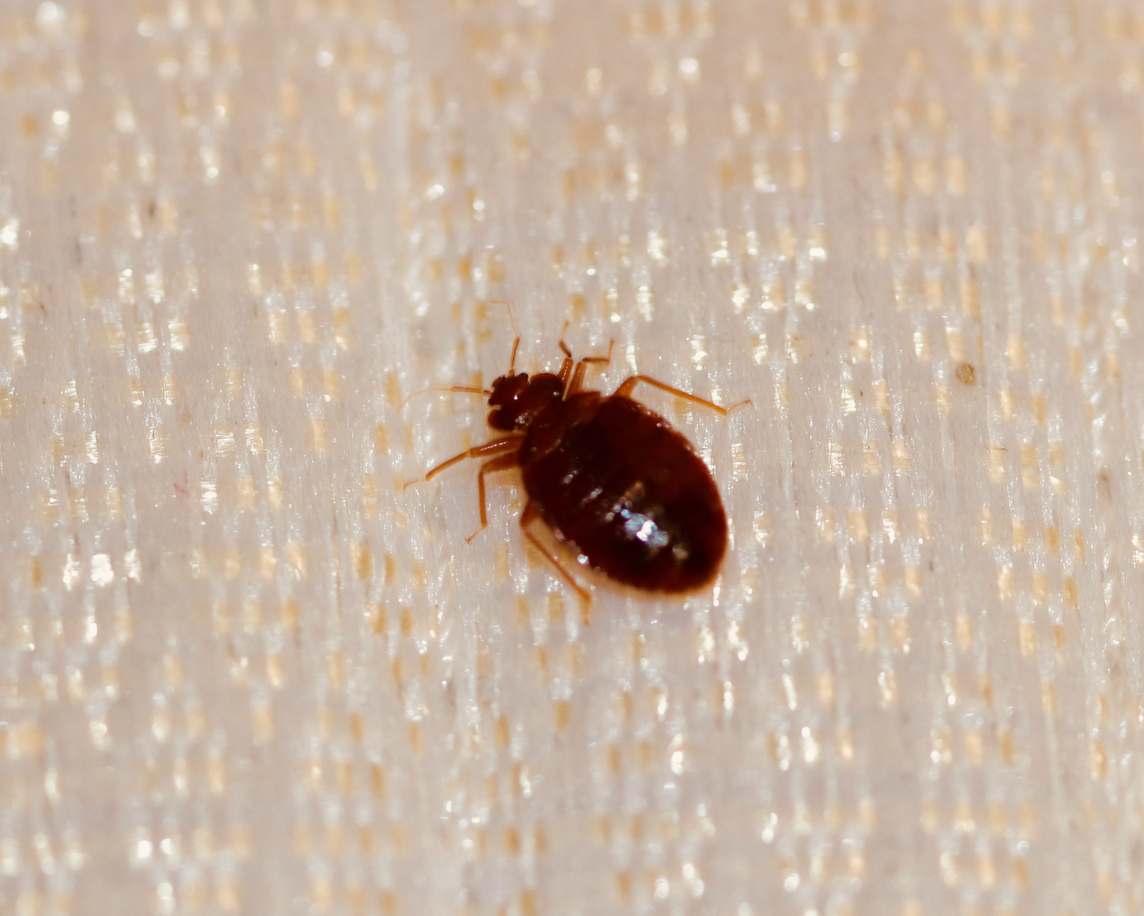
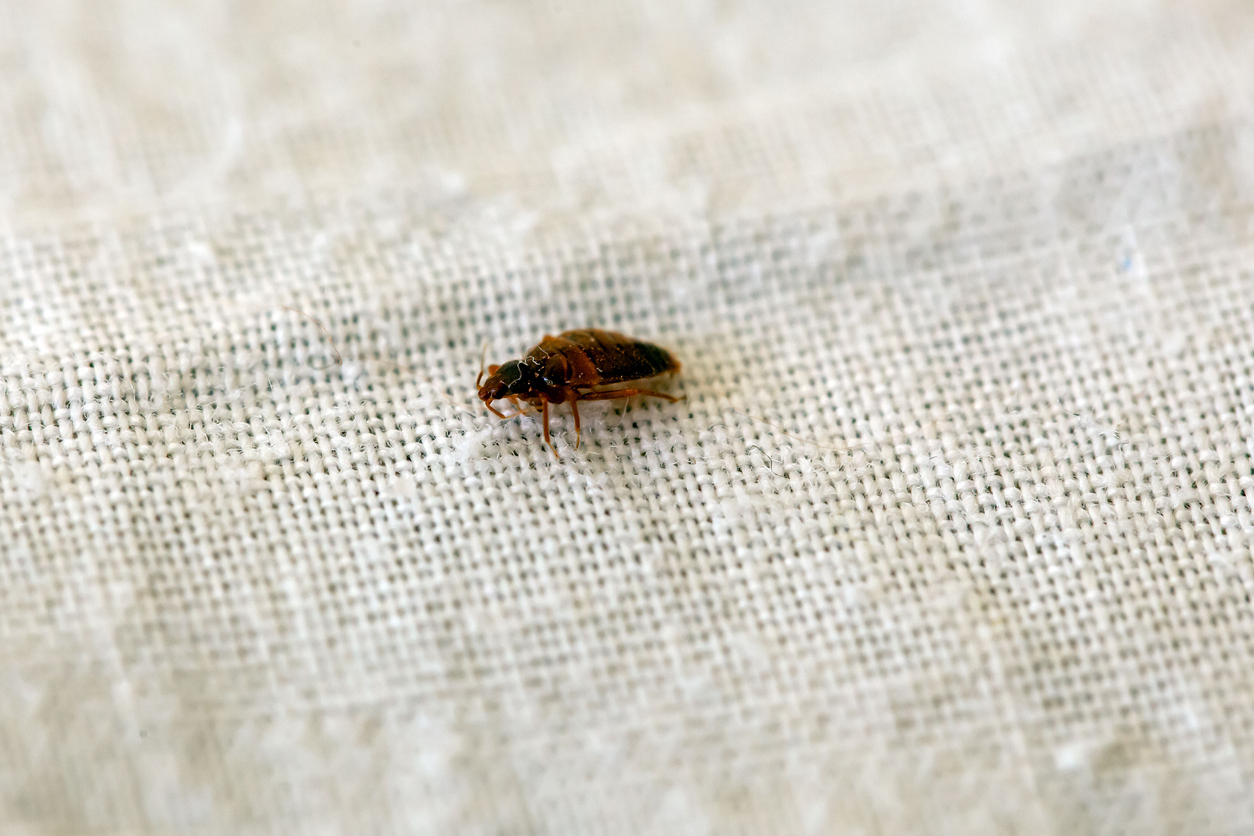
Live bed bugs inside the bed frame joints
What made it worse is how quickly they had spread.
Bed bugs can squeeze into cracks thinner than a credit card. By the time I arrived, activity had already moved beyond the bed into nearby furniture and wall gaps.
This is why early detection matters—once they settle, they multiply fast.
The Process
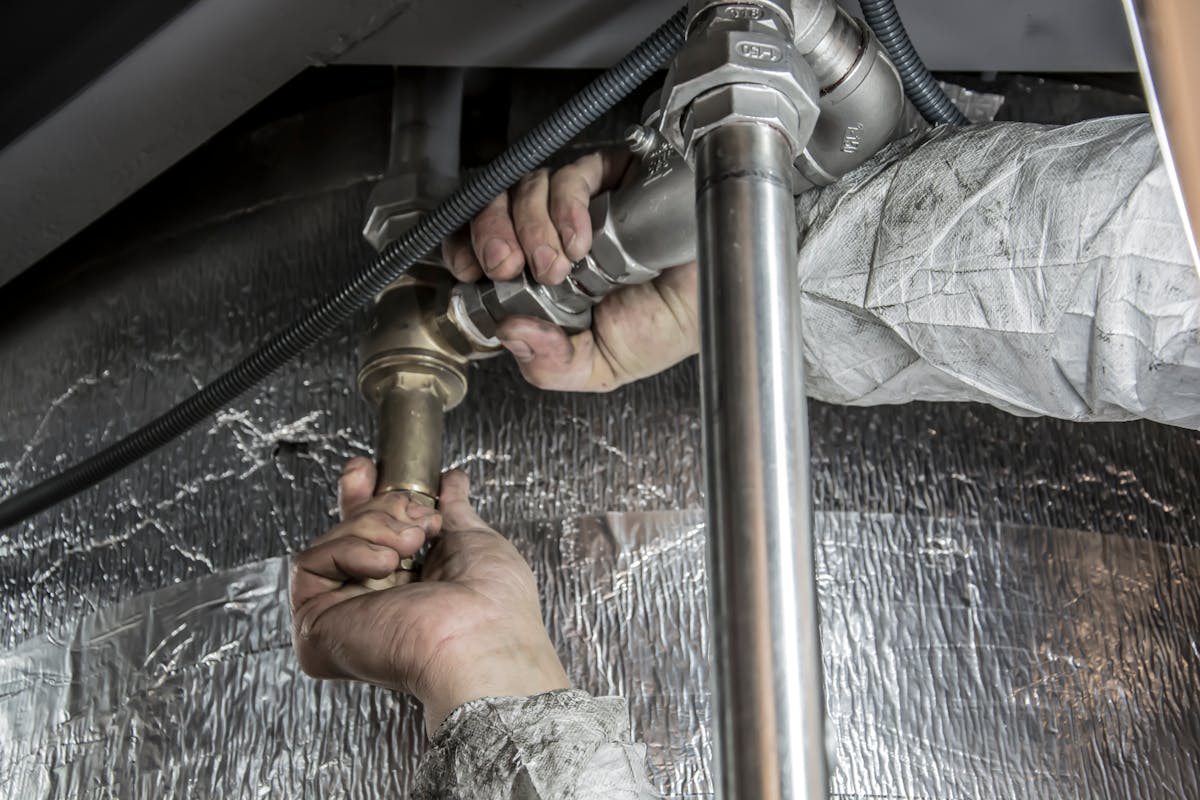
Bed bug problems can’t be solved with surface treatments. You have to approach them properly.
Step 1 — Inspection & Mapping
I started by identifying all active areas:
Mattress seams and bed frame
Headboard and surrounding furniture
Curtains, skirting boards, and nearby sockets.
This gave a clear picture of how far the infestation had spread.
Step 2 — Preparation
Before treatment, the couple followed a few key steps:
Washed all bedding and clothing on a hot cycle
Dried items on high heat
Vacuumed mattress, sofa, and nearby furniture
Sealed cleaned items in bags
This step is critical—it prevents eggs from surviving in fabrics.
Step 3 — Treatment
I carried out a two-part treatment:
Heat Treatment
The room temperature was raised to a level that bed bugs cannot survive. This ensures deep penetration into cracks and hidden areas.
Residual Treatment
Targeted application along bed frames, seams, furniture joints, and edges. This handles any remaining activity or newly hatched bugs.
The Outcome
Within days, activity dropped significantly. Follow-up checks confirmed the infestation had been properly controlled.
More importantly, the couple understood how it started—and how to prevent it from happening again.

Prevention Tips
If you’re travelling or staying in hotels, small habits can make a big difference:
Check mattress seams and headboards before settling in
Keep luggage off the bed and floor
Wash and dry clothes on high heat after travelling
Inspect second-hand furniture before bringing it home
Vacuum regularly around beds and corners
These simple steps can prevent a much bigger problem later.
"It's brighter than before!"
— Megan
Professional Insight
Here’s what most people underestimate about bed bugs:
They Hide Extremely Well
Bed bugs don’t stay visible. They hide in sockets, cracks, and furniture joints—places most people never check.
They Multiply Quickly
A single female can lay hundreds of eggs. Missing even a few can restart the infestation within weeks.
DIY Treatments Often Miss the Source
Store-bought sprays rarely reach deep hiding spots. Without targeting the full lifecycle, the problem continues.
It’s About Precision, Not Just Products
Effective bed bug elimination isn’t about stronger chemicals—it’s about knowing where to treat and how to apply it properly.
Closing Thoughts
This job was a reminder that bed bugs don’t appear because a home is unclean—they appear because they’re brought in and go unnoticed.
Catching them early makes a huge difference.
If you’ve recently travelled or noticed unusual bites or marks, it’s worth taking a closer look.
A small check today can save you a much bigger problem later.
Stay alert, stay comfortable, and sleep well.
– Termigone Exterminators

Services
Address
780 N Euclid St, #204G Anaheim, California 92801
Contact Us
Call: (657) 551-4227
© 2026 TermiGONE Exterminators. All Rights Reserved.