

We're Here to Assist You
Rodents: A Recent Job & What Property Owners Should Watch For
Category: Holiday
Published: March 2026
By: Termigone Exterminators
What We Walked Into
This job started with a familiar concern:
“We’ve been hearing scratching in the walls at night.”
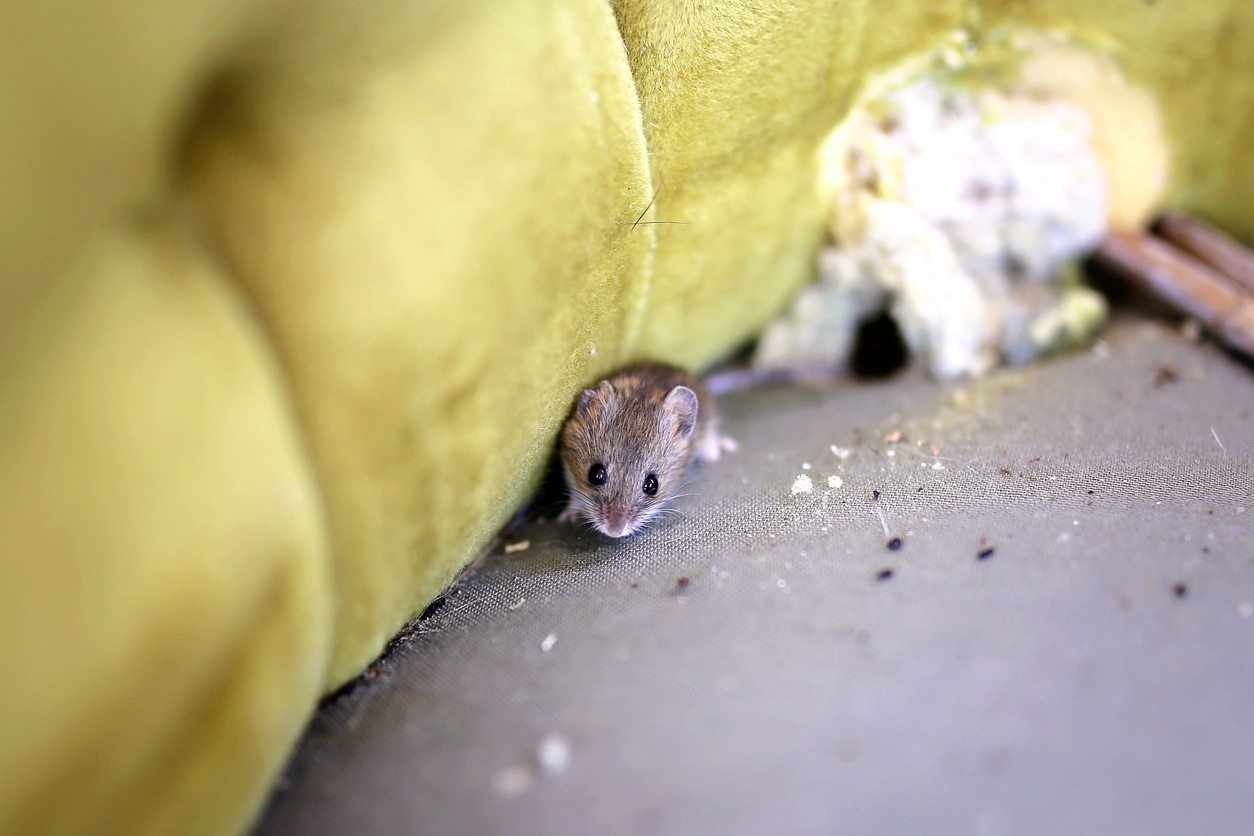
The call came from a homeowner in North London who had recently started noticing noises in the evenings. At first, they thought it might be pipes—but the sounds became more consistent.
By the time I arrived, there were a few additional signs:
Droppings in the kitchen cabinet
Light gnaw marks near food storage
Scratching sounds coming from the wall voids
This wasn’t a large infestation yet—but it was developing.

The Problem
Rodents don’t need much to get inside. Small gaps in walls, foundations, or rooflines are often enough.
During inspection, here’s what stood out:
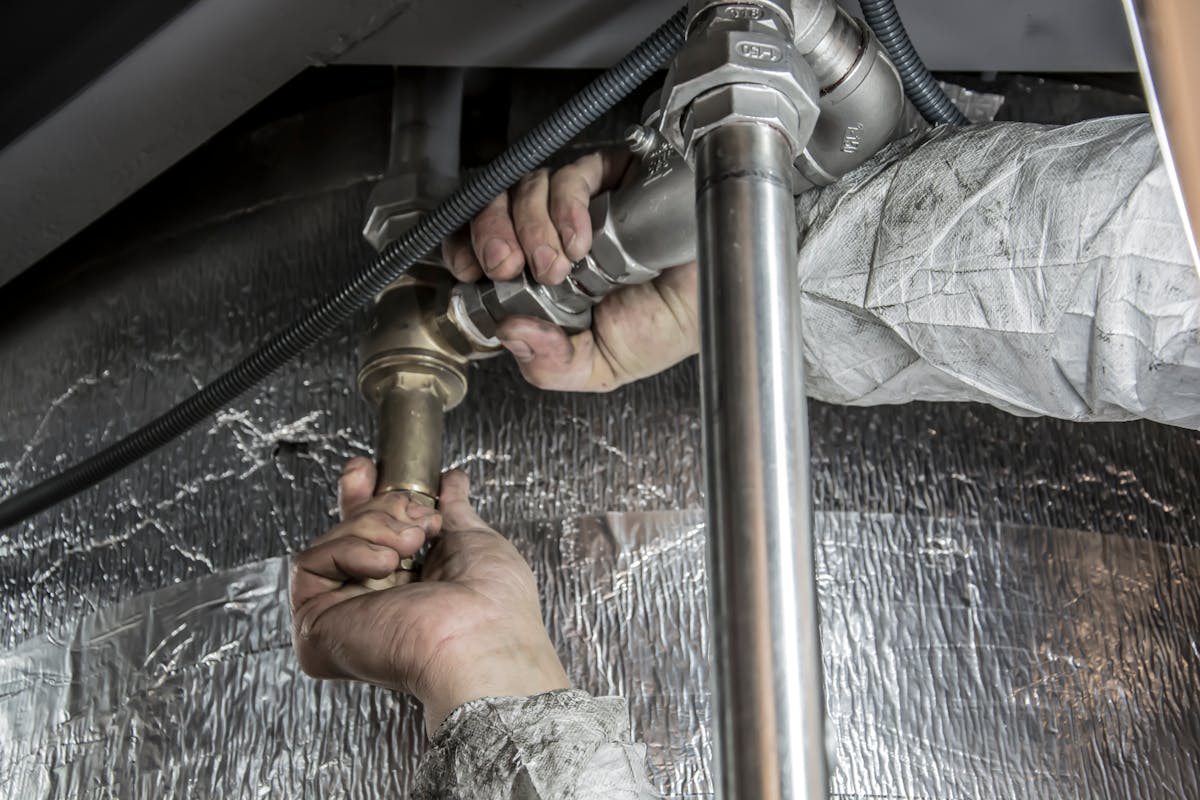
A small entry gap near an exterior pipe
Nesting material inside the wall void
Food access from improperly sealed pantry items
Activity mostly happening at night
Rodents tend to stay hidden during the day, which is why problems often go unnoticed until activity increases.
Left untreated, they can:
Multiply quickly
Damage insulation and wiring
Contaminate food areas
The key is catching it early—and sealing how they’re getting in.
The Process
Rodent control isn’t just about removal—it’s about elimination + exclusion.
Step 1 — Inspection & Entry Point Identification
I started by identifying:
Entry points around pipes and exterior walls
Areas of active movement inside
Nesting zones within wall spaces
This step is critical—without it, the problem comes back.
Step 2 — Targeted Control Measures
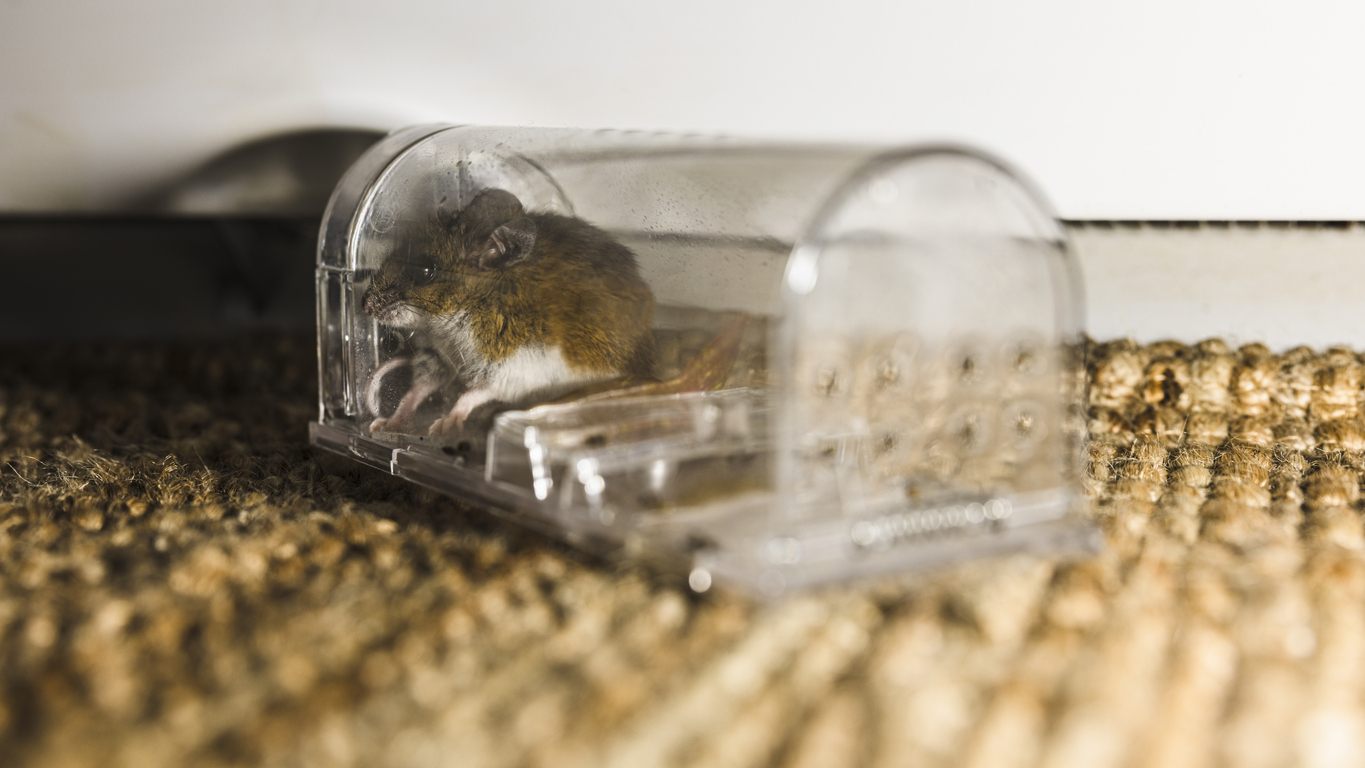
Control methods were placed in key areas where rodents were active and traveling.
This helps reduce activity quickly while targeting the source of the problem.
Step 3 — Exclusion & Prevention
We sealed the entry point and discussed additional areas that could be vulnerable.
This step is what prevents reinfestation—not just temporary control.
The Outcome
Within a few days, activity stopped completely.
Follow-up checks confirmed there were no new signs of movement, and the entry point remained sealed.
The homeowner mentioned the biggest difference wasn’t just the absence of noise—it was the peace of mind knowing the issue was handled properly.

Prevention Tips
Rodent problems often start small. Here are a few ways to reduce risk:
Seal gaps around pipes, vents, and foundations
Store food in sealed containers
Keep kitchen and storage areas clean
Avoid leaving pet food exposed overnight
Check for signs of activity regularly
Small entry points can lead to bigger problems—early prevention makes a big difference.
"It's brighter than before!"
— Megan
Professional Insight
Here’s what most people don’t realize about rodent problems:
They Only Need Small Openings
Rodents can enter through gaps much smaller than expected. Even minor openings can be used repeatedly.
Removal Alone Isn’t Enough
If entry points aren’t sealed, new rodents will replace the ones removed.
They Stay Hidden
Most activity happens behind walls, under floors, or in attic spaces—out of sight.
Early Action Prevents Bigger Issues
What starts as a small problem can quickly grow. Acting early reduces damage and cost.
Closing Thoughts
This job was a good example of how early signs—like small noises—can indicate a larger issue developing.
The earlier you act, the easier it is to control and prevent long-term damage.
If you’ve noticed sounds, droppings, or unusual activity, it’s worth taking a closer look.
No noise. No damage. Just peace of mind.
– Termigone Exterminators

Services
Address
780 N Euclid St, #204G Anaheim, California 92801
Contact Us
Call: (657) 551-4227
© 2026 TermiGONE Exterminators. All Rights Reserved.